
The third State of the Bay report by the Georgian Bay Mnidoo Gamii Biosphere (GBB) is officially out.
Katrina Krievins, GBB’s Aquatic Conservation Programs Manager says the report has been coming out every five years since 2008.
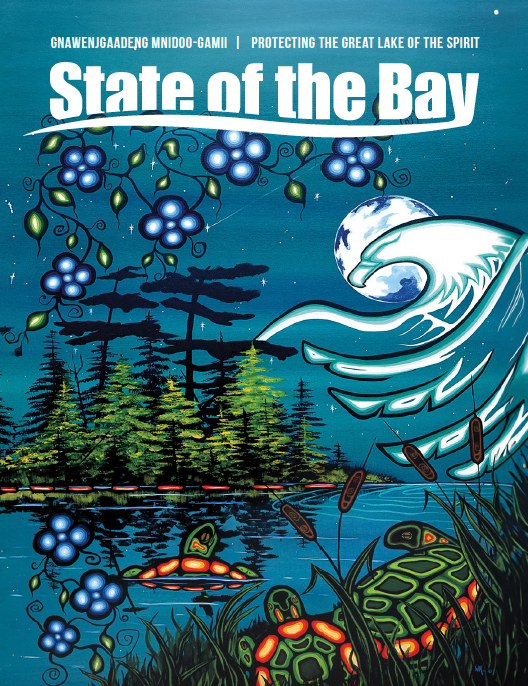
“As part of the State of the Bay program, we produce a technical report gathering the best available science on water quality, wetlands, fisheries, basically aquatic ecosystem health for Georgian Bay. From that technical report we take the key messages and produce a public friendly magazine to get those key messages out to folks who care about the bay,” she says.
Krievins says the report touches on a wide variety of subjects including water quality, lower food web, fish communities, coastal wetlands, and landscape biodiversity. She says that climate change is an overarching theme that impacts all aspects of ecosystem health.
“In terms of water quality, we focus on total phosphorus as it is the nutrient that controls plant and algae growth in the water. What scientists have been seeing over the past decade is that in the offshore waters of Georgian Bay there’s been a significant decline in total phosphorus levels,” she says.
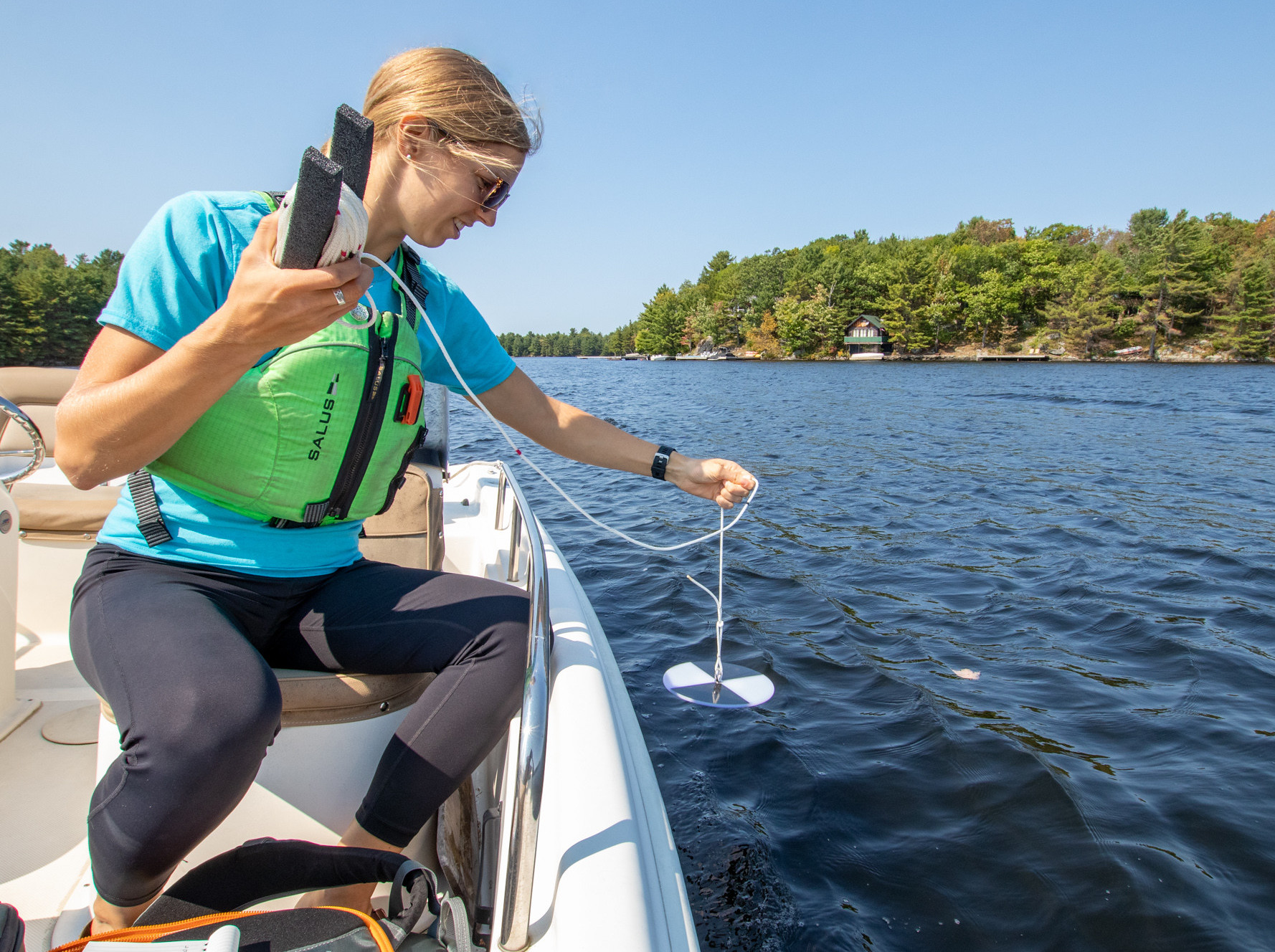
Krievins says the drop began in the 90s and carried through to about 2016 when it started to level off. She says important nutrients like phosphorus are what feed the entire food web. Krievins says with the drop in total phosphorus in the offshore waters, scientists are wondering if there are enough nutrients available for the system.
Krievins says another key message in the 2023 report is about fish communities in the eastern Georgian bay which she says are quite diverse and doing relatively well.
“But with fish populations we’re seeing the legacy of things like habitat alteration, overexploitation, and pollution from past industrial activities like logging,” she says.
Krievins says it always depends which fish community specifically you’re looking at. For example, she says walleye populations continue to be quite depressed in eastern Georgian Bay.
“With the exception of a few populations, including the Shawanaga River population where the Shawanaga First Nation has been operating a walleye hatchery for some number of years now. So, where most walleye populations are quite depressed, [the Shawanaga River] population seems to be faring much better than others,” Krievins says.
In addition, Krievins says this year’s report comes with something new that she says most people will notice instantly.
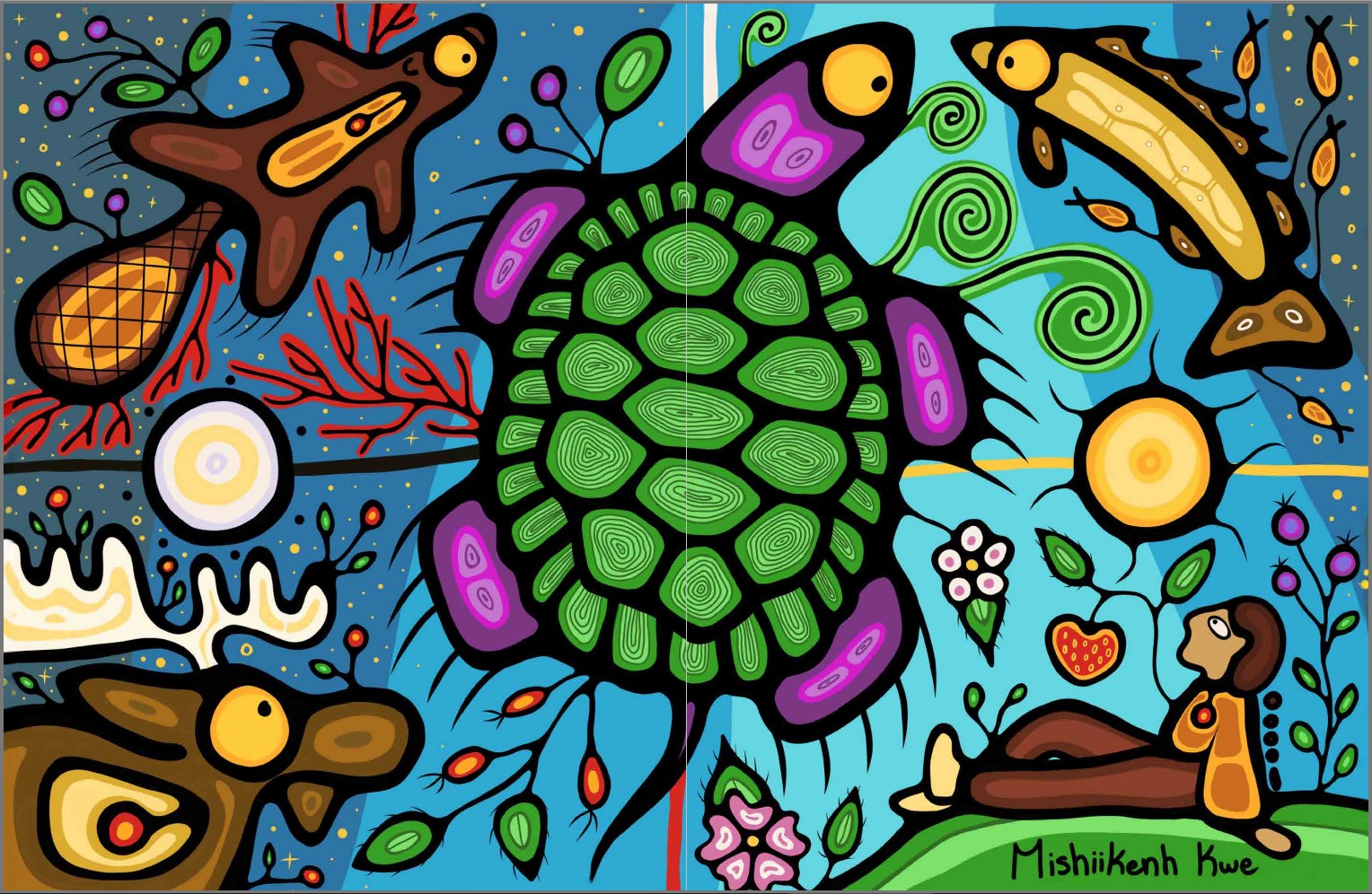
“The biggest change is the new approach that we’re taking in which we are weaving together Indigenous knowledges and Western science. We worked with our cultural advisory circle as well as the Georgian Bay Anishinabek youth as our advisors in this process. We [also] reached out to partners up and down the coast and different contributors and asked them what stories they would want to tell, what perspectives and values would they like to see in the in the new state of the Bay magazine,” she says.
Krievins says the biosphere was fortunate to have a number of contributors including elders and language speakers provide their time and knowledge and share those with the program.
The theme of this year’s magazine is “Protecting the Great Lake of the Spirit” a name gifted by Dr. Brian McInnes (Waabishki-makwa) of Wasauksing, that translates into Anishinaabemowin as: Gnawenjgaadeng Mnidoo-gamii.
The latest issue is available for free throughout the region and for download at stateofthebay.ca.

You must be logged in to post a comment.