
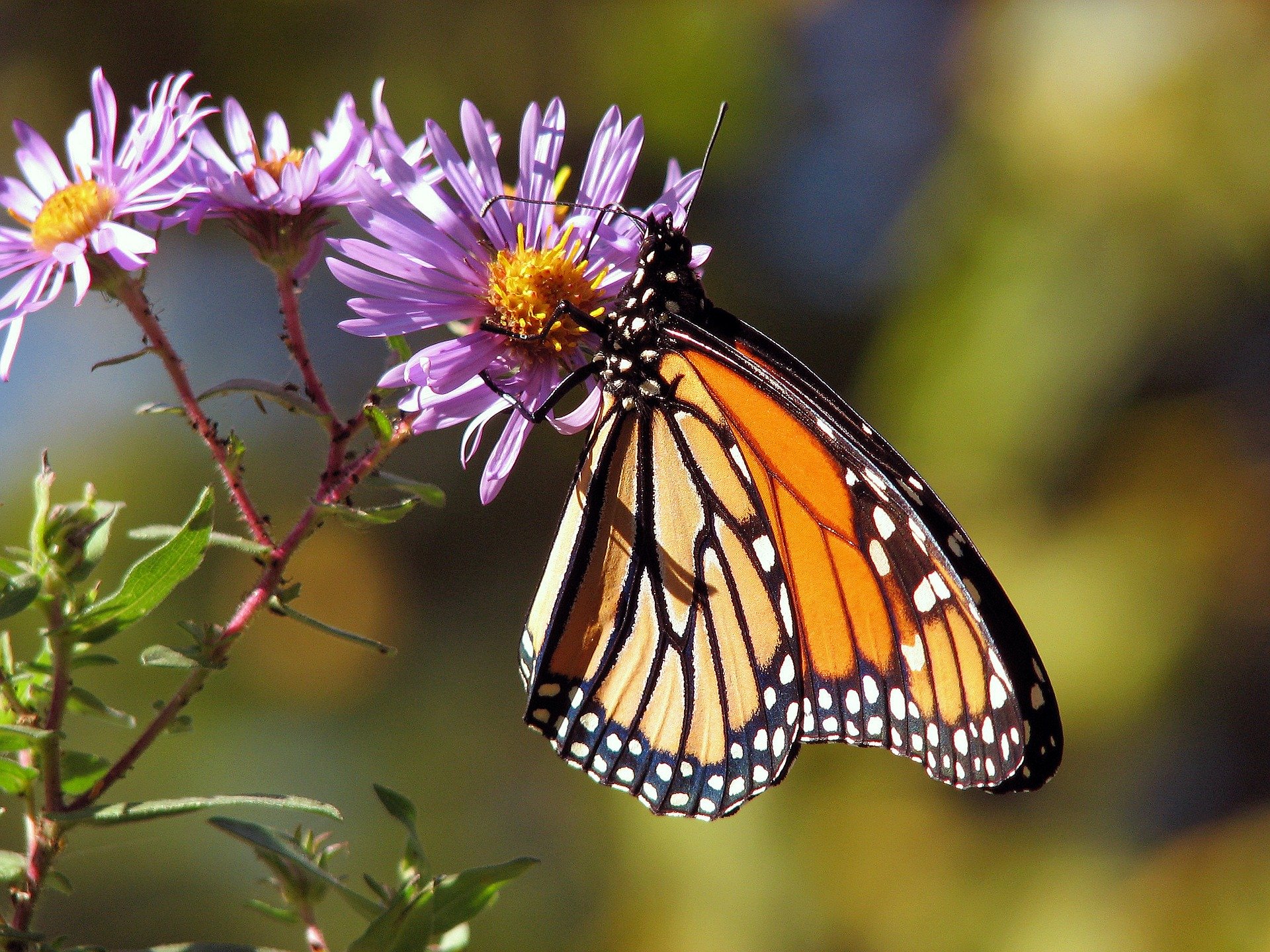

The Georgian Bay Biosphere Reserve is preparing to celebrate the return of the Monarch butterfly by recognizing ‘National Flight of the Monarch Day.’
On August 22nd, hundreds of people in communities across Canada will be holding the nationwide event to honour the iconic butterfly and draw attention to their life cycles, migration and the serious threats they face.
Monarch populations have not been doing well over the last decade, with populations being closely watched by scientists and the public alike.
The Monarch has been listed as a species of special concern both provincially and federally in Canada.
Despite annual fluctuations, it is estimated that Monarch populations have declined by over 80% since the 1990s.
In a press release, Carling Township Councillor Susan Murphy says she fully supports the Biosphere’s efforts.
“Carling Township worked with the Biosphere to create a Pollinator Garden in 2019,” Murphy said. “Doing what we can to help Monarch butterflies and other pollinator species is extremely important. If everyone can just do one thing, it will go a long way.”
Climate change is frequently cited as one of the leading causes of the Monarch population declines, and indeed it is a significant factor.
Extreme weather such as severe storms, wind, drought, and temperatures that are too hot or cold can affect the timing of the Monarch’s migration and milkweed emergence – which can, in turn, affect the Monarch production.
Climate models for future decades show that Monarch overwintering grounds will see cooler weather and heavier precipitation, which could affect Monarch survival.
Education programs manager for the Georgian Bay Biosphere Reserve Delaina Arnold says for their local celebration, they’ll be challenging people to add to their Monarch butterfly sightings to their iNaturalist project.
“By participating in iNaturalist, you become a citizen scientist, and your observations contribute to biodiversity science. More people can gather more information about the Monarch butterfly to help guide research questions, habitat protection, and other conservation initiatives.”
Some area municipalities are also taking a pledge to protect Monarch habitat by creating a “Monarch Watch Waystation” of areas that are at least 100 square feet.
Georgian Bay Biosphere has worked with partners to plant Monarch habitat gardens throughout the region, plus several Butterfly Gardens and shoreline landscaping projects to support biodiversity.
They are recommending simple ways we can all help the Monarch butterfly survive:
- Do not use pesticides and insecticides: these chemicals do not target just one species.
- Plant native species – for a local list see gbbr.ca/conservation-guides
- Let it grow! If you frequently mow large swaths of grass, try reducing the space you cut by a quarter or even half.
- Never purchase Monarch butterflies. There is an overwhelming consensus that captive-bred Monarchs from commercial butterfly farms are not a healthy way to help the population.
- Avoid bringing Monarch chrysalis indoors to pupate; be sure to follow Safe Rearing Instructions from conservation organizations, and use an enclosed outdoor space.
- Limit your consumption of avocados and avocado oil, or buy FairTrade. Avocado demand is increasing illegal logging in Monarch overwintering habitat.
- Share your knowledge with others.
Arnold says that each person who submits an observation on iNaturalist by 5:00 p.m. on August 23rd will be entered into a draw to win a butterfly book collection prize pack.
You can learn more about Monarch butterflies and iNaturalist on the GBBR webpage.